

History & Heritage
Home / about sri lanka
The Grandeur of Our Past
Sri Lanka boasts a documented history spanning over 2,500 years, offering a journey through time where ancient ruins whisper tales of royal splendor and spiritual devotion
Ancient Kingdoms
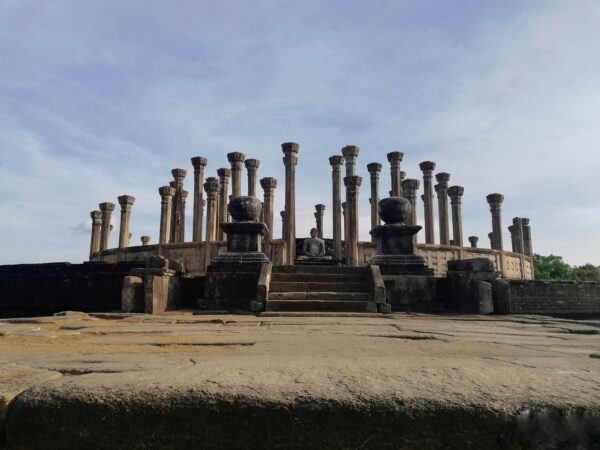
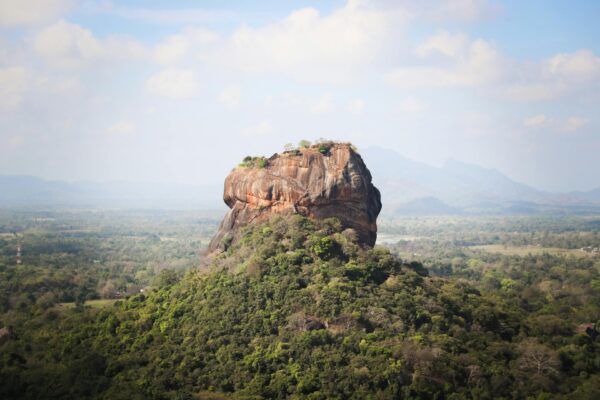
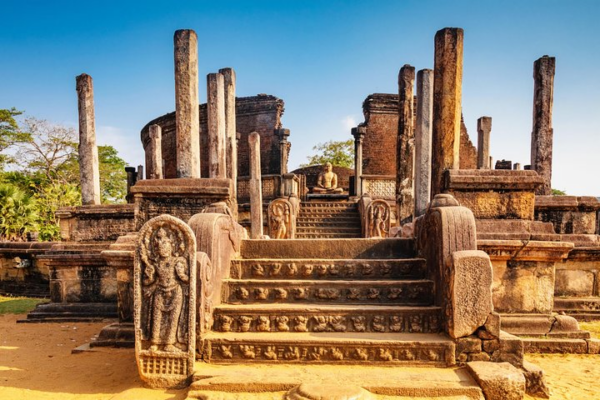
Focus on the Cultural Triangle, detailing the rise of royal dynasties and the architectural marvels of the early capitals.
- The Cultural Triangle Heart : This region encompasses the majestic ruins of Anuradhapura, Polonnaruwa, and Sigiriya, serving as the cradle of Sri Lanka’s early civilization and royal power.
- Architectural & Spiritual Marvels: The era is defined by the construction of massive stupas and palace complexes that reflect a sophisticated blend of Buddhist art and advanced urban planning.
- Legacy of the Royal Dynasties: These kingdoms established a golden age of governance and religious patronage that laid the historical and cultural foundation of the nation’s identity.
Water Engineering
Explain the technical genius behind ancient reservoirs and the "cascading tank system" that sustained the nation's agriculture.
- The "Wewa" Network: Ancient engineers built a vast system of man-made reservoirs (Tanks) that turned dry plains into fertile, green landscapes.
- The Bisokotuwa Marvel: This unique "valve pit" invention allowed ancient builders to safely control massive water pressure and flow from large reservoirs.
- Precision Gravity Canals: Long-distance canals like the Yoda Ela used incredible accuracy to move water across the island using only gravity.
Early History
Provide a high-level overview of the island's prehistoric roots and the transition into a structured civilization.
- Prehistoric Roots: Evidence of early human settlements, such as Balangoda Man, dates back over 30,000 years, showing a long-standing human presence on the island.
- The Arrival of Prince Vijaya: Legend and historical chronicles mark the 5th century BC as the beginning of a structured Sinhalese civilization following the arrival of North Indian settlers
- Introduction of Buddhism: The 3rd century BC arrival of Arahat Mahinda transformed the island's social fabric, leading to a golden era of grand architecture, art, and literacy.
Colonial Period
Detail the unique architectural and cultural blending resulting from Portuguese, Dutch, and British influences.
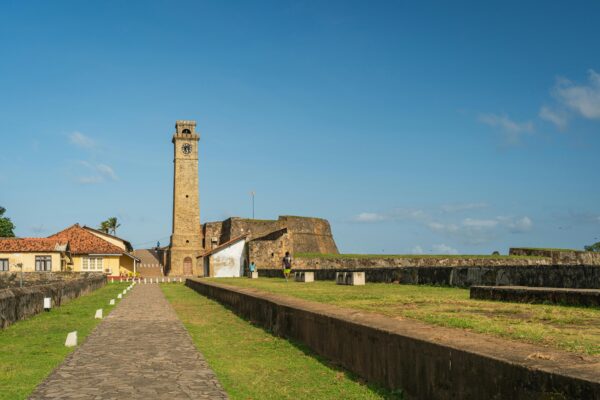
- European Maritime Influence: Starting in 1505, the arrival of the Portuguese, followed by the Dutch and British, fundamentally reshaped the island's coastal architecture, trade, and cultural context.
- Fortified Heritage: The construction of massive maritime bastions, most notably the UNESCO-listed Galle Fort, remains a living testament to the era's unique architectural and military legacy.
- Plantation & Legal Synthesis: This period introduced the Roman-Dutch legal system and the vast tea and rubber plantations that continue to define much of modern Sri Lanka’s national identity and economy.